ScanReview
What Is External Attack Surface Management?
EASM explained for small businesses: what it delivers, what it is not, and how to pick managed providers or DIY.

ScanReview
EASM explained for small businesses: what it delivers, what it is not, and how to pick managed providers or DIY.
External attack surface management (EASM) is continuous external exposure monitoring: it shows what is internet-facing — domains, IPs, subdomains, ports, and services — and alerts you when that picture changes. For most small businesses, this is the practical first cybersecurity step before enterprise platforms or a full tool stack.
EASM helps identify exposure and monitor change. It does not guarantee breach prevention or compliance certification.
Managed providers run discovery, scheduled checks, and alerts for you. Many also layer vulnerability scanning on the same external surface. Together, that is what small teams usually mean by “attack surface management” in practice.
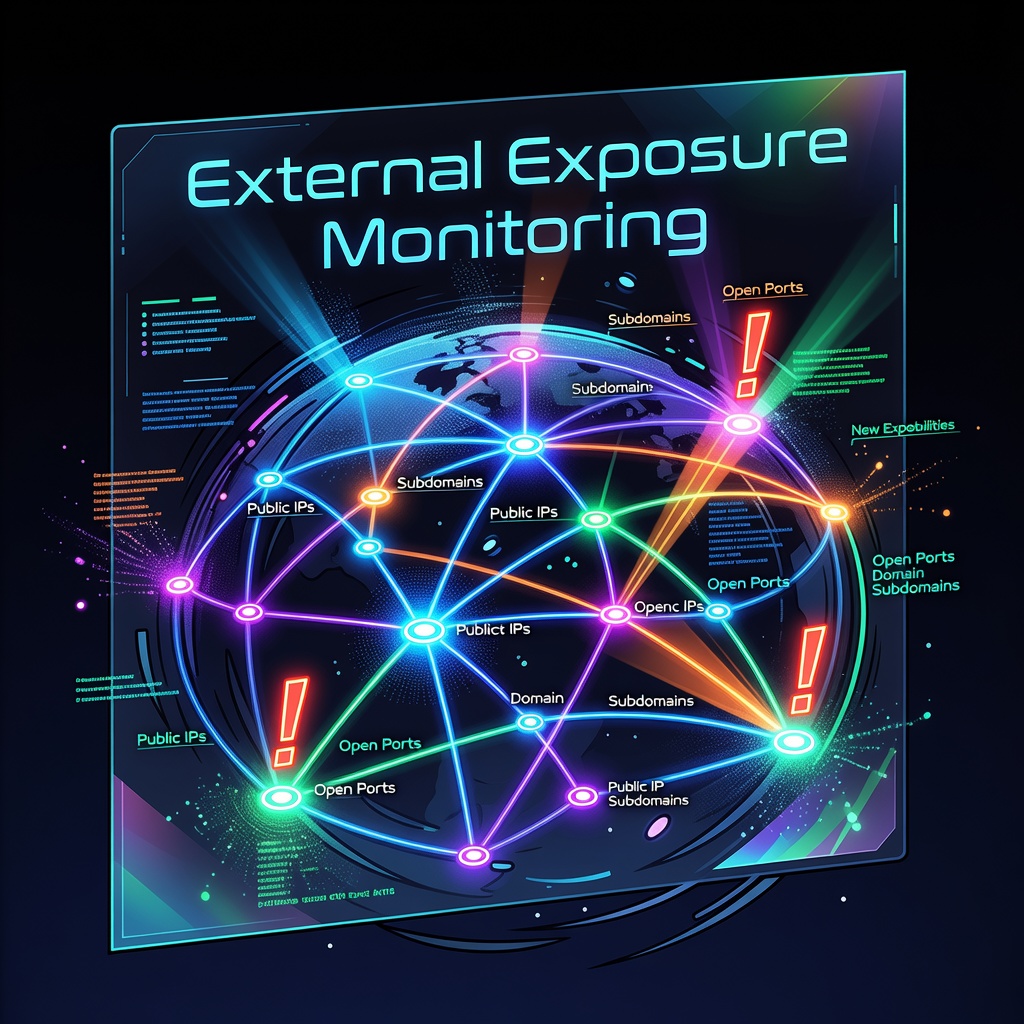
Find and track public IPs, domains, subdomains, open ports, and services visible from the internet — including assets you forgot existed.
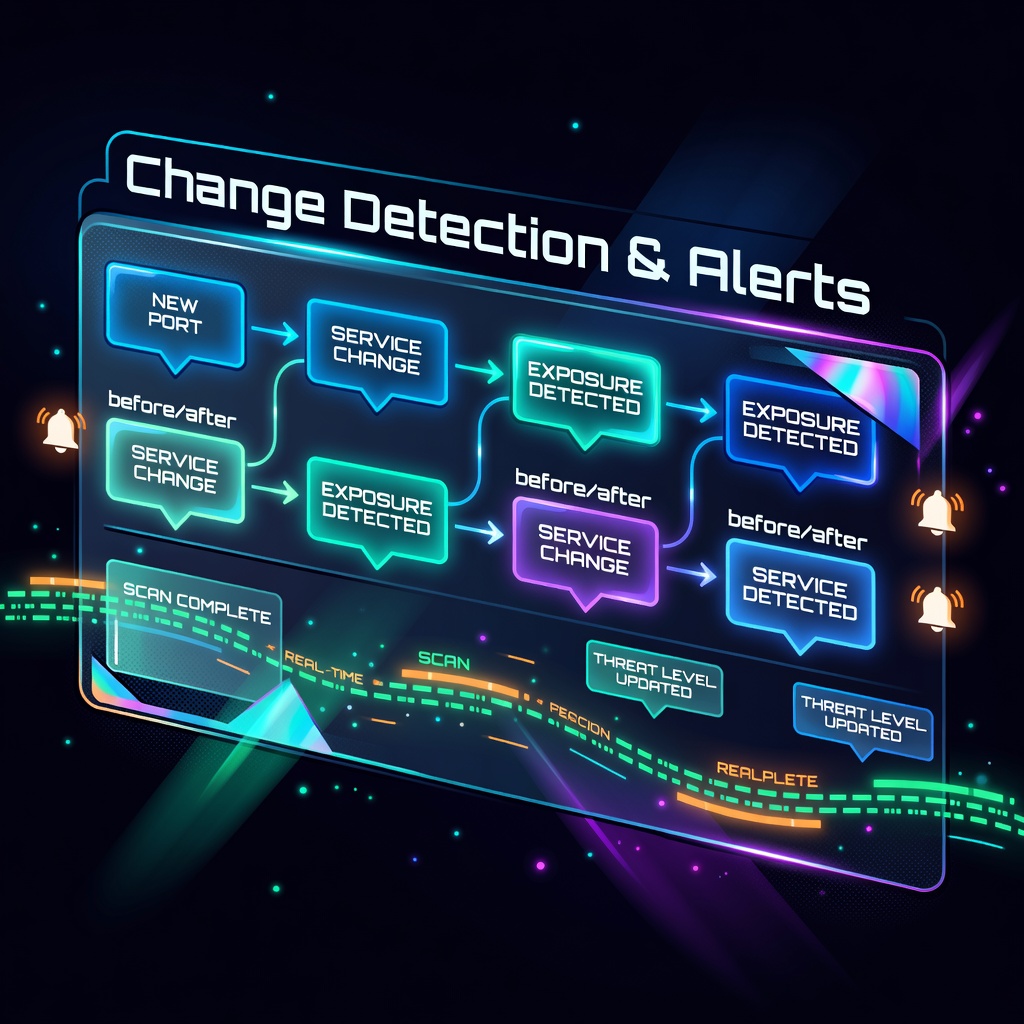
Get notified when something new appears or an existing exposure changes, instead of discovering it during an incident or annual review.
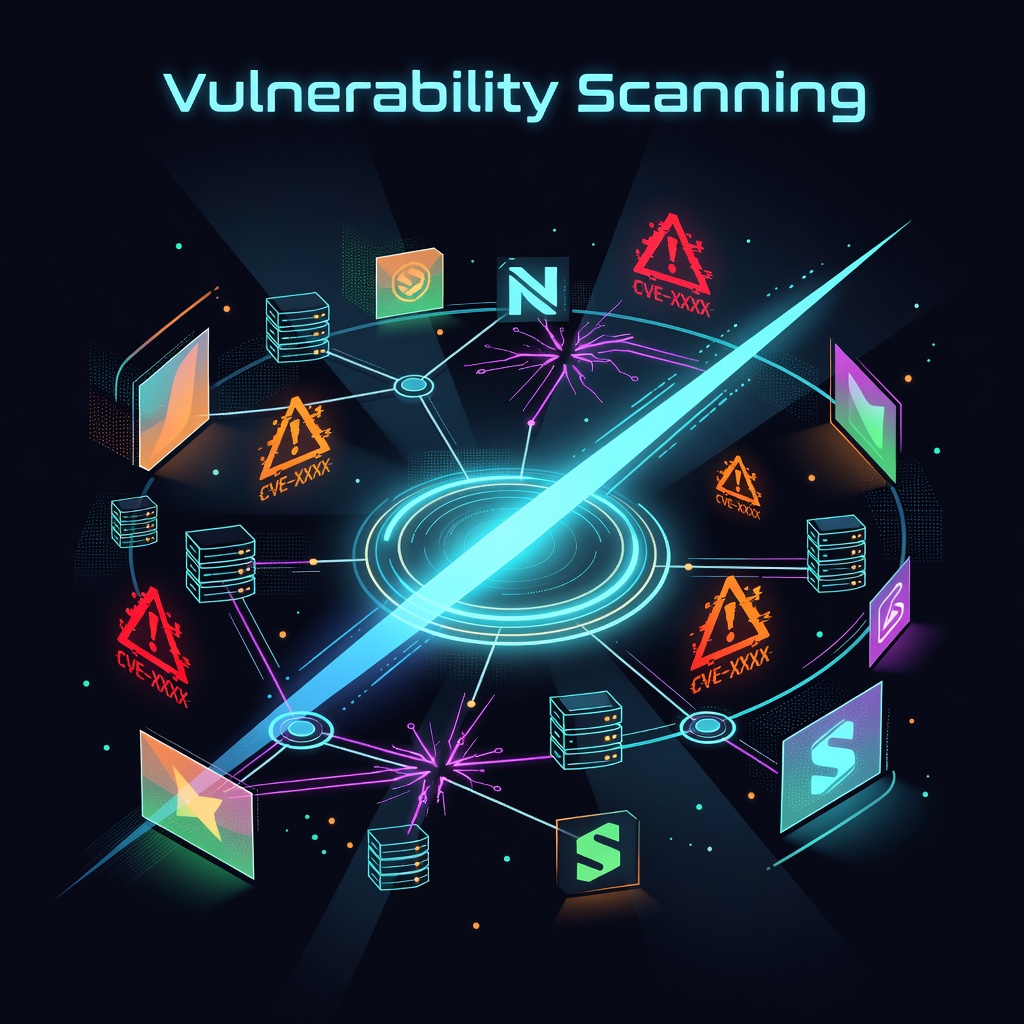
Run scheduled or on-demand checks with industry-standard engines to flag known CVEs, weak configs, and common issues on the external surface.
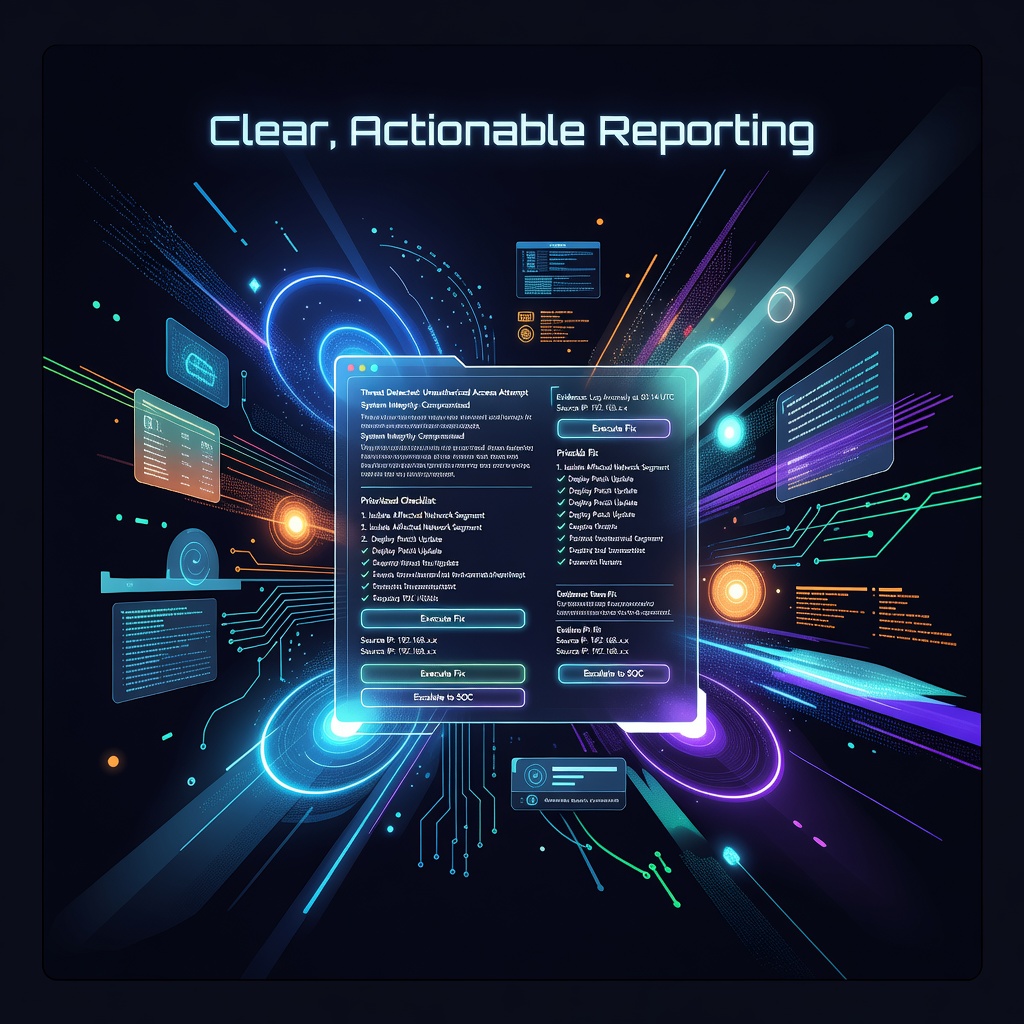
Plain-language findings with context and priority so founders and lean IT can act — not raw scanner dumps meant for a SOC.
You do not get 24/7 human analysts, threat hunting, or incident response retainers. Those are later roadmap steps for larger or regulated orgs.
Classic EASM watches the outside-in view. Internal network risk needs different tools or specialists — we call that out on provider pages.
Monitoring evidence can support insurance or readiness work, but EASM alone does not certify SOC 2, PCI, HIPAA, or similar programs.
Best when you want scheduled scans, alerts, and readable output without running scanners yourself. Compare by network size and published pricing.
Powerful and free, but you own install, scheduling, noise, storage, and follow-up. Good for technical teams with time; many later move to managed EASM for consistency.
Match tools to footprint and risk. Rankings follow our methodology. Unsure where you sit? Use Start Here.
About 10–100 devices. EASM plus broader vulnerability coverage.
Compare small businessPrices verified: July 2026. Confirm current pricing on each vendor’s site before you buy.
How we rank: Best Choice badges follow our five criteria (setup time, scan quality, alert clarity, pricing transparency, support). Read the full methodology.
Corrections: Notice outdated info? Send it through the contact page.